Born in the Heat.
Shaped by the Miles.
Western wear cut for long drives and dry country. Heavy cotton, chain-stitch thread, bar-tacked seams. Made in small batches from Phoenix.
The West is not a costume.
It is a temperament.
It is the quiet of long roads, the warmth of canvas after sun, the shape of boots that know the miles, the stitch that outlasts the season. Dry Heat is built for the wanderers of the borderland — those who move through the dry country with calm, patience, and the kind of style that doesn’t have to shout to be understood.
Natural fabrics. Chain-stitched details. Vintage construction. Modern cuts. Pieces that age honestly and improve with the miles.
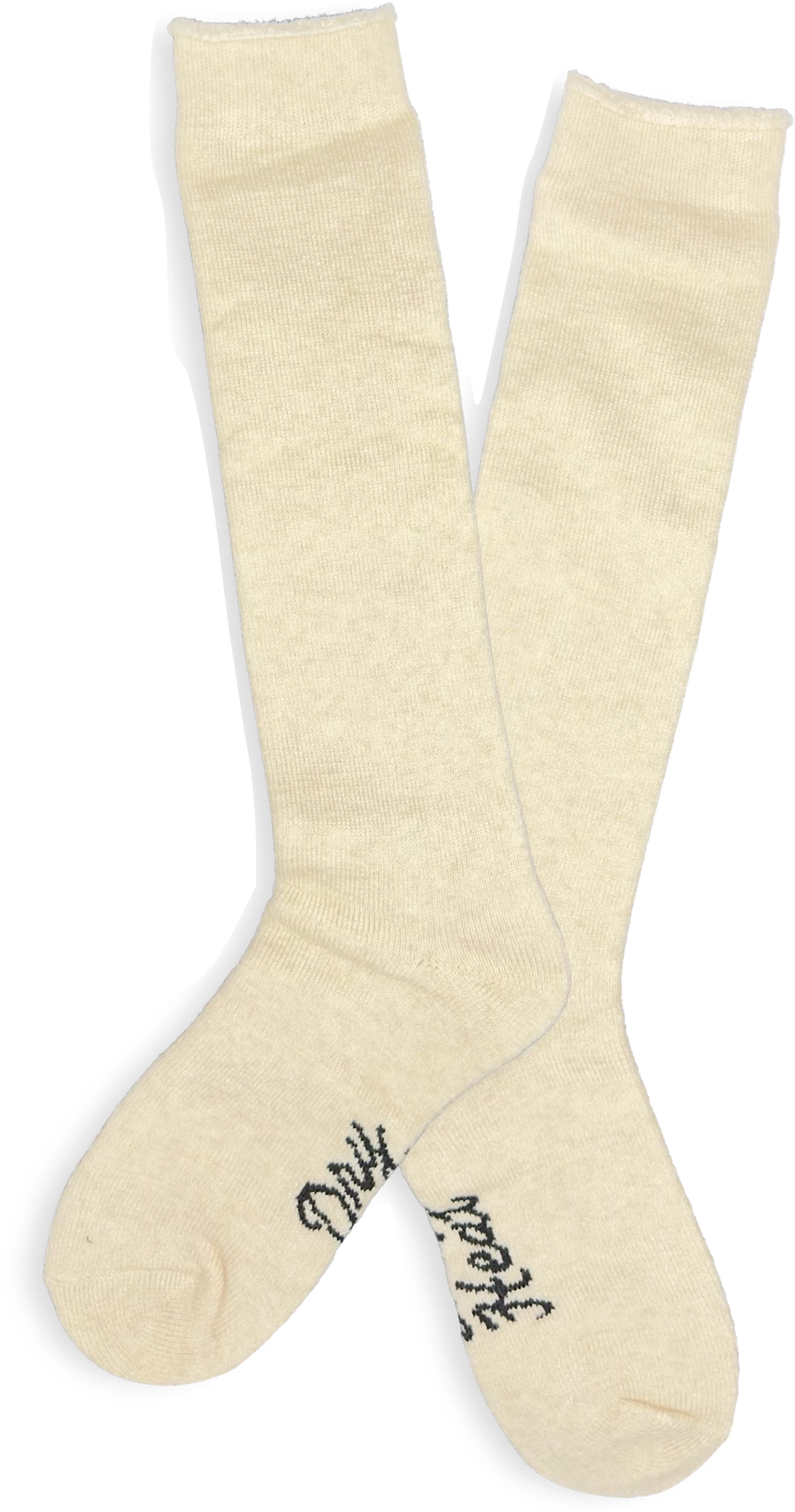
The Drift Sock — Oatmeal
A slouch-fit sock knit from merino and alpaca, built for dry air, long days, and clothing that doesn’t fight back.
- Two heights — Low Drift (ankle) and High Drift (mid-calf)
- Sold in 1-pack or 4-pack sets — 4-pack saves $32
- Merino + alpaca regulate heat and vapor without compression
- Open knit lets moisture escape in dry air
- Nylon reinforcement throughout — not just heel and toe
The pieces we’re shaping next.
The sample rail stays lean: the tee colors we actually have in hand, plus the carpenter short and pant. Real garments, real construction, no padded catalog.
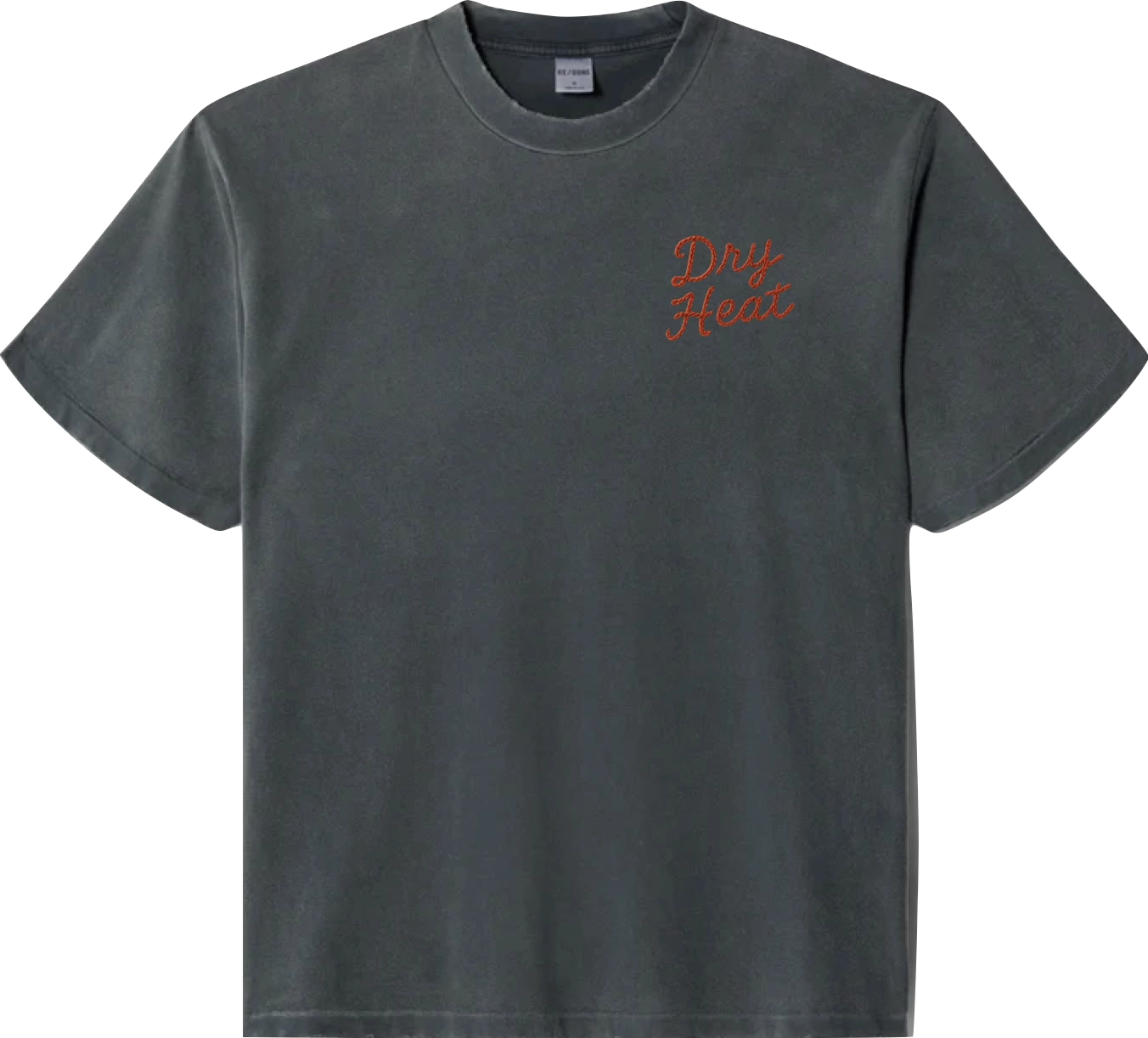 Sample — Not Yet For SaleDusk
Obsidian Night Tee
Deep Black · 180gsm · Chain-Stitch Embroidery · Vintage Single-Stitch
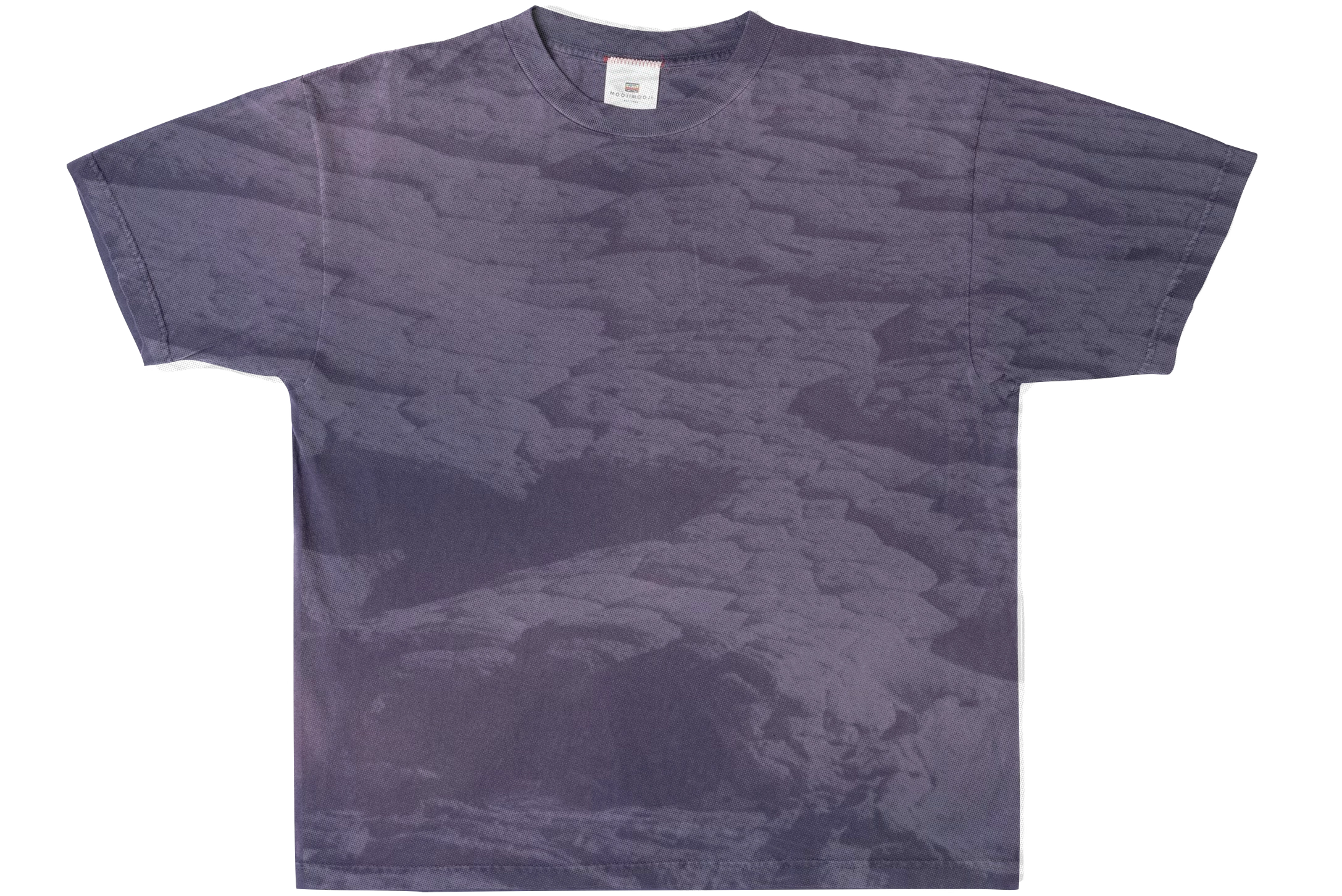 Sample — Not Yet For SaleBasins
Sonoran Indigo Tee
Deep Blue · 160gsm · Chain-Stitch Embroidery · Vintage Single-Stitch
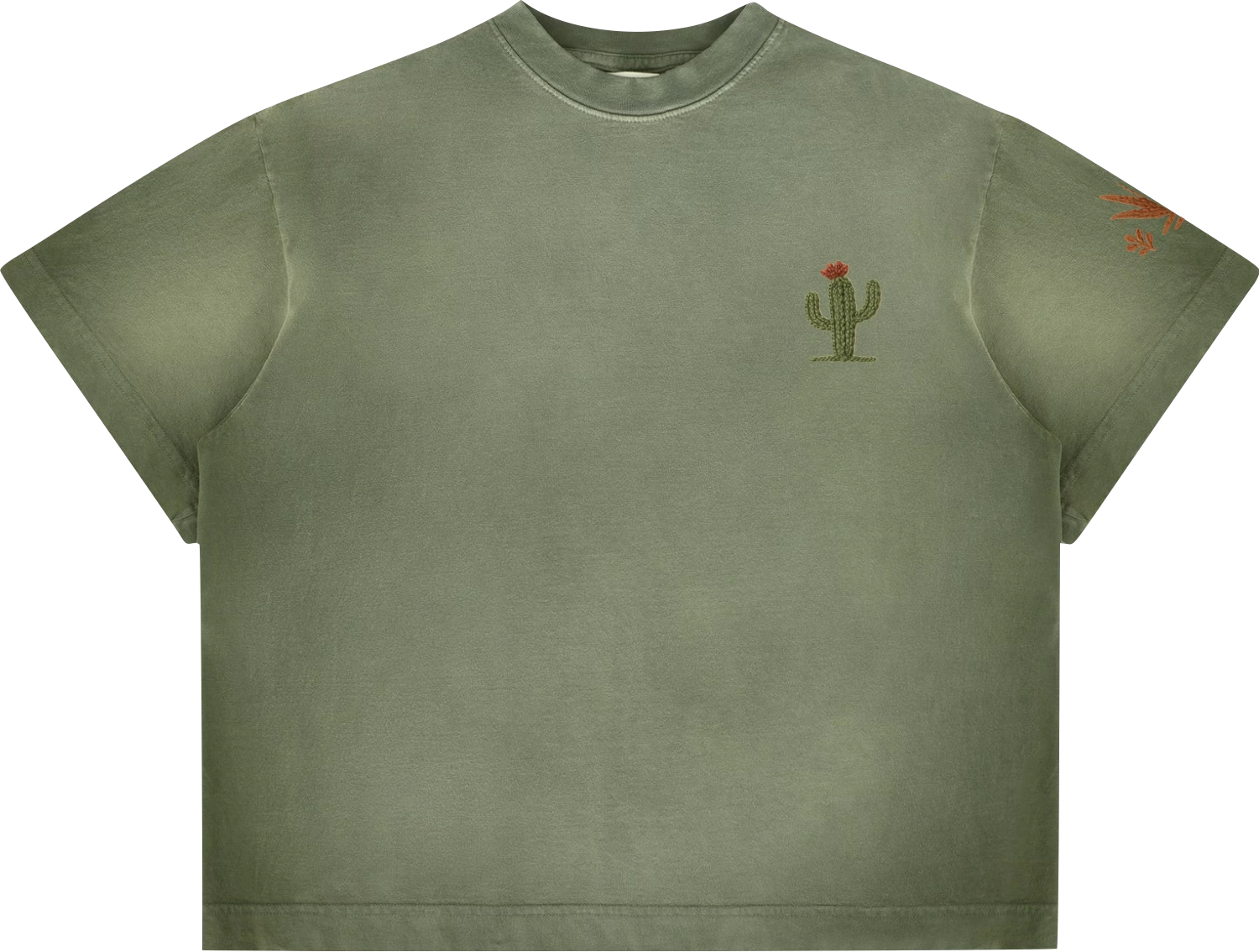 Sample — Not Yet For SaleBlooms
Desert Sage Tee
Muted Green · 180gsm · Chain-Stitch Embroidery · Vintage Single-Stitch
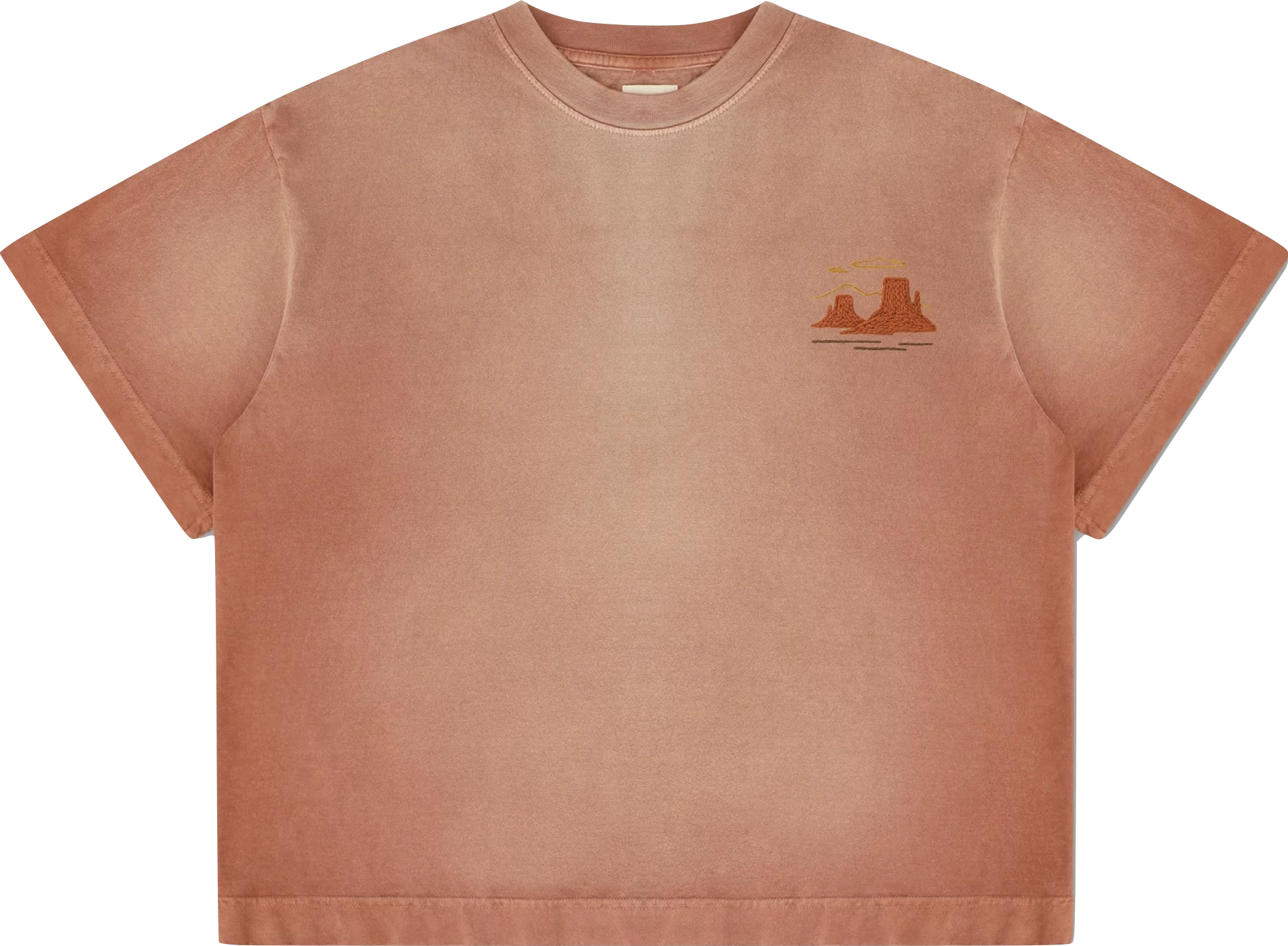 Sample — Not Yet For SaleMesas
Iron Canyon Tee
Rust Red · 180gsm · Chain-Stitch Embroidery · Vintage Single-Stitch
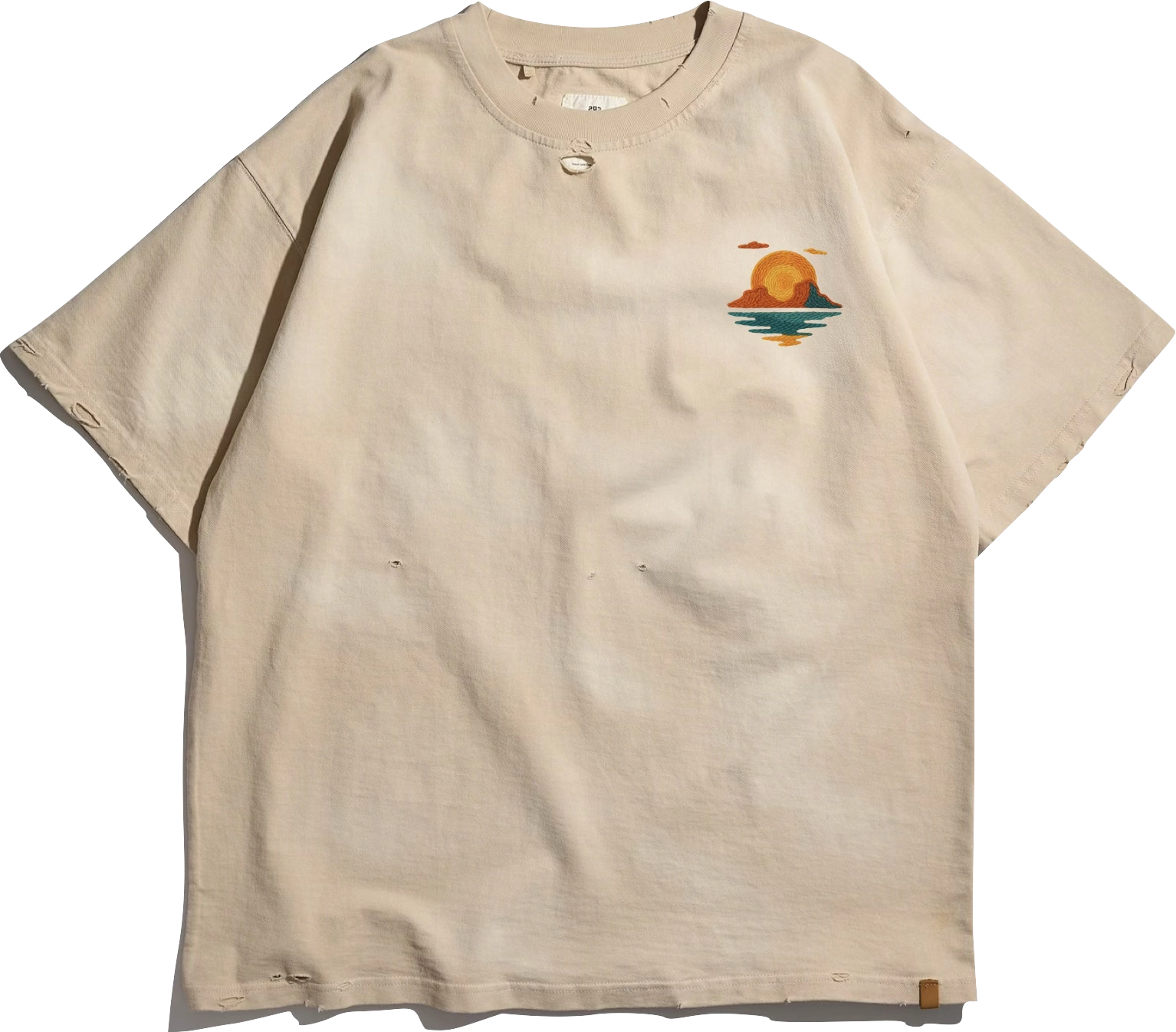 Sample — Not Yet For SaleHorizons
Saltflat Bone Tee
Bone White · 160gsm · Chain-Stitch Embroidery · Vintage Single-Stitch
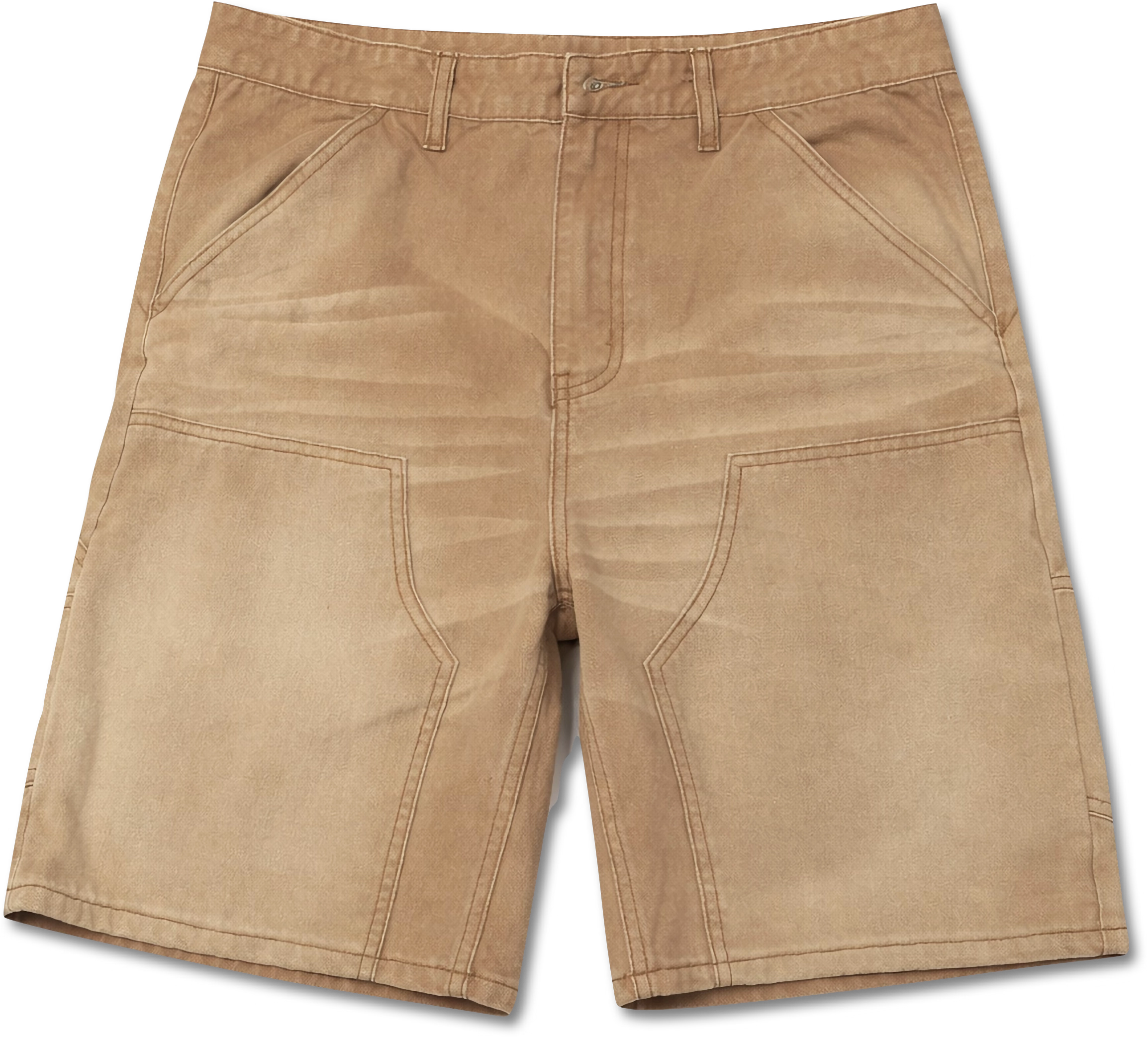 Sample — Not Yet For SaleWorkwear
The Carpenter Short — Sand
Sand · 100% Cotton Canvas · Double-Knee · Tool Pockets
 Sample — Not Yet For SaleWorkwear
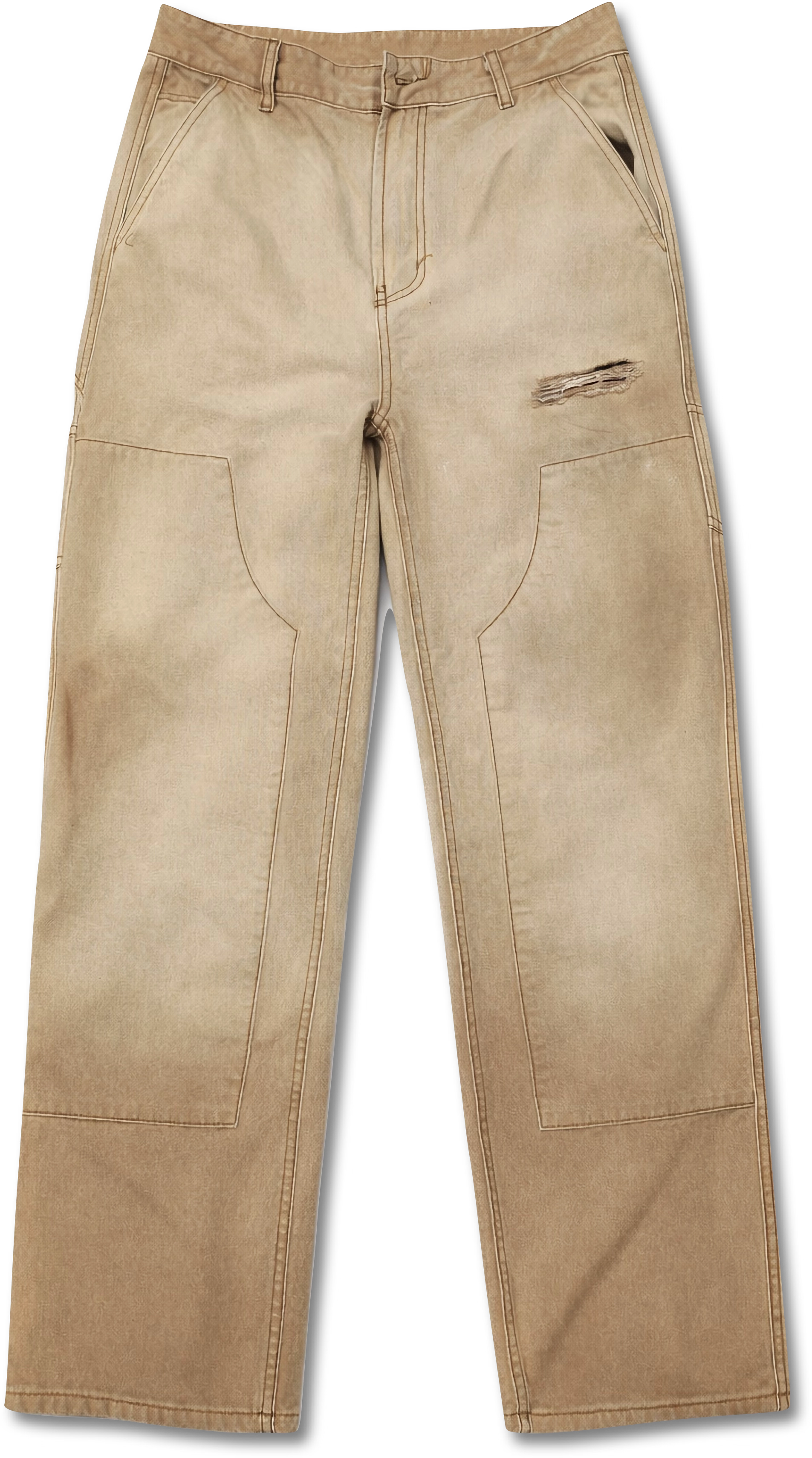
The Carpenter Pant — Sand
Sand · 100% Cotton Canvas · Double-Knee · Leather Label


“The desert does not care what we call it. It remembers who walked it. Dry Heat is for the people still walking.”
Read the PassageWe don’t run on performance polyester. The canvas is 14oz duck from a mill in North Carolina that’s been weaving it since before I was born. The tee blanks are combed ring-spun, the kind that get softer every summer and don’t curl at the hem after a year. The embroidery is chain-stitch, done on a 1974 Singer 114W103 that only turns one direction and sounds, on a quiet morning, like a sewing machine remembering itself.
The shirts are single-needle. The workwear is bar-tacked at the stress points — pocket corners, fly, belt loops — because any piece worth wearing on a long drive is worth keeping intact when you pull a fence staple out of it. We finish with flat- felled seams so nothing rubs when the piece is soft and the sun is high.
None of this is novel. It’s how good clothes were made for seventy years before someone figured out they could be made cheaper. We’re betting a lot of people will pay $48 for a tee that holds its shape instead of $22 for one that doesn’t.